
Ralph Wigram is an obscure name. He was a minor British bureaucrat who is known to a small part of posterity only because Winston Churchill paid tribute to him as the man who warned of the Nazi threat with such persistence, conviction, and hard evidence, that he, Churchill, had the wherewithal to make the case to the British people. Wigram might also have changed the course of history… if only people had believed him.
Today our lives are inundated with the wisdom of professional forecasters, intelligence analysts, and threat mongers. Why do many of us, and especially our leaders, find it so difficult to heed warnings? We tend to underreact to some, overreact to others, and then point fingers when what ‘nobody ever anticipated’ comes to pass. Why is prophecy so dogged?
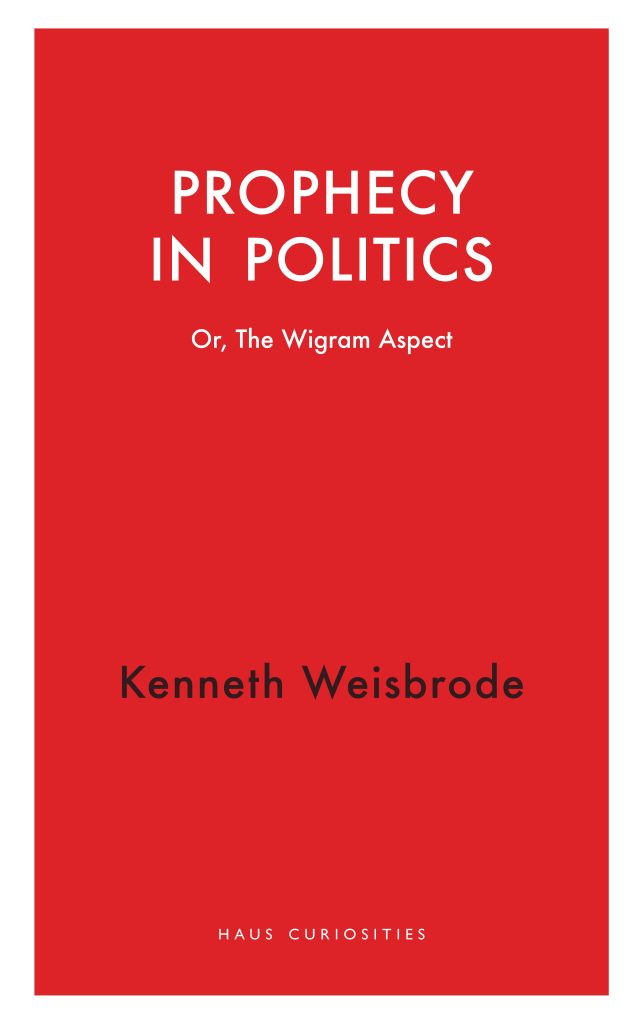
This short book takes up a vast, complex, and well-worn subject – the future – and reduces it to its most essential aspects, one of which, following Wigram – belief – is important to understand. It revisits a half-dozen familiar and not-so-familiar incidents of prophecy – from the warnings given to Stalin about Operation Barbarossa to those given to Bill Clinton and George W. Bush about ‘terrorism’ to the Cassandras periodically promising collapse in the financial markets – in order to uncover a pattern of complacency and neglect. And then to propose what all of us might do to overcome it, to make prophecy work better for us.
Kenneth Weisbrode is a diplomatic and cultural historian. He received his PhD from Harvard University, where he studied under Akira Iriye and the late Ernest May. He is the author of Churchill and the King and The Atlantic Century.
| Authors | |
|---|---|
| Format | |
| Category | |
| ISBN | 9781914979453 |
| Pages | 90 |
| Published Date |
£8.99